








THE CARNIVORE DIET BENEFITS


You switched to an all-meat diet but you’re still not losing weight on carnivore diet. What gives? Well, it could actually be a number of issues at play. The diet isn’t “broken.” It works when you follow it as intended. You may just need to make some slight adjustments! Learn more below.
Key Takeaways
- The carnivore diet naturally encourages weight loss as you eat less because you feel fuller.
- The regimen also eliminates problematic processed foods and lowers insulin.
- The scale doesn’t paint the full picture. You could be losing fat while gaining muscle.
- Not losing weight on carnivore diet usually means eating too many calories or not moving enough. Fat-to-protein ratio matters as well.
- There are also non-diet factors like hormones and medication side effects. Sleep, meal timing, and more need to be ruled out.
- Make sure you’ve given your diet enough time before making conclusions - at least 4-6 weeks.
Can You Lose Weight on Carnivore Diet?
You probably already know plenty about the protocol if you’re wondering, why am I not losing weight on carnivore diet? This radical nutritional regimen slashes all plant-based foods from the menu in favor of animal-based foods. Meat, fish, eggs, and in some cases, dairy. That’s it. You can check out the full carnivore diet food list for a better idea of what qualifies.
In general, the idea behind the regimen is simple. A lot of plant-based foods cause more harm than good by prompting a negative inflammatory response, slowing digestion, and causing blood sugar spikes that leave you feeling sluggish. It’s easy to overeat on the standard American diet, too. So, can you lose weight on the carnivore diet? Absolutely!
How the Regimen Supports Weight Loss
There are actually a few mechanisms behind the carnivore diet for weight loss.
The first is that it naturally leads to a lower calorie intake because your meals are made entirely of protein and fat, which encourage a much higher level of satiety (fullness) than carbs. You don’t have to eat as much to feel full, and you feel full for longer.
Eliminating carbohydrates also brings insulin levels down. This forces your body to start burning fat for fuel rather than relying on glucose. The regimen cuts out processed foods as well, as these are notorious for slowing down digestion and prompting you to overeat.
Most people who commit to a 30-day carnivore diet see noticeable fat loss, especially in the first few weeks. But “most” is not “all.” Your experience with this regimen will be unique, so don’t look to others as your benchmark for what’s possible.
Why Some People Say the Diet Isn’t a Good Idea
It should come as no surprise that the carnivore diet has been met with tons of naysayers. Dietitians say there’s no possible way it could be healthy in the long run. You’re just missing out on too many nutrients, right?
That’s where carnivore diet advocates fire back, saying you can absolutely get all the nutrients you need from animal-based foods alone - you just have to incorporate variety. That means eggs, steak, chicken, lamb, pork, dairy, and organ meats.
Now, some people still encounter side effects of carnivore diet - and it’s important that we don’t pretend they don’t exist. Nutrient deficiencies are still a real risk. You may find that you need some carnivore diet supplements to fill in the gaps. Or, you might end up switching to the carnivore diet with fruit for a bit more variety.
However you practice the diet, it can be quite frustrating when you’ve committed to following the carnivore diet rules but still don’t feel as if you’re getting the results you deserve.
Why Am I Not Losing Weight on Carnivore Diet?
There are quite a few possible reasons you’re not losing weight on carnivore diet, so we need to go through them one-by-one to narrow it down to the real cause of your stagnation. Then, it’s a pretty simple fix to get you back on track towards your goals.
You’re Consuming Too Many Calories
Yes, the carnivore diet naturally encourages you to eat less. That’s absolutely true. The vast majority of people who practice this diet don’t have to count calories, and the fat still melts away. That’s why it can be so frustrating when you don’t have that experience.
Research from the National Institutes of Health confirms that macronutrient composition doesn't override caloric surplus when it comes to fat storage [1].
Yes, even on an all-meat diet, weight loss still calls for a caloric deficit. This is where your body burns more calories than you consume on a daily basis. You have to first figure out how many calories you burn on a daily basis. You can use an app for this or take things more seriously and get tested professionally.
You can start tracking your calories once you know your maintenance-level caloric intake. It’s as simple as subtracting 100-200 calories from your daily intake for slow, steady weight loss. This forces your body to burn its internal fat stores as a source of fuel instead.
You can be more aggressive if you’d like - say, a 500-calorie deficit. But we don’t advocate for this. Slow and steady is the way to go with fat loss. You don’t want to burn yourself out for feel as if you’re starving yourself to lose a few pounds. That’s not healthy, nor sustainable.
Getting to your caloric deficit could be as simple as using less butter when you cook. Or trimming your portions just a tad. Maybe one fewer snack throughout the day. It doesn’t have to be dramatic. The other way you can get into a caloric deficit, though, if you don’t want to eat less…
You’re Not Moving Your Body Enough
You can eat fewer calories, or you can burn more calories. A lot of people who are not losing weight on carnivore diet choose this approach instead. Getting more exercise is easier than eating less food.
Plus, it has so many other health benefits beyond helping you burn fat. Resistance training will help you hold onto muscle while the weight comes off so you actually look fit rather than just skinny. A 2022 meta-analysis of 114 trials found resistance training and dieting to be the most effective way to lower body fat percentage while maintaining lean mass [2].
In other words, you shouldn’t expect the diet to work magically if you spend all day seated at a desk. You have to get your body moving. Even something as simple as talking a 15-30 minute walk after work will burn some calories and kick your metabolism into action. However, we advocate for a more involved workout regimen with at least 3-5 strength training sessions a week. Then, 1-2 cardio-focused workouts on your off-days.
Your Protein-to-Fat Ratio is Off
You cannot overlook the importance of the carnivore diet fat-to-protein ratio. We know that sounds counterintuitive if you’re not losing weight on carnivore diet and want to see better progress. Surely leaner meats are better for you than fattier cuts, right? Wrong.
Failing to get enough fat in your diet can spike cortisol, tank energy levels, and slow your metabolism down as your body goes into starvation mode. It thinks something is wrong so it starts holding onto fat rather than burning it. That’s why you don’t see the scale move, and you feel so sluggish.
Most experts agree a 1:1 fat-to-protein ratio is the sweet spot for the carnivore diet. That means you actually want fattier cuts in your rotation - ribeyes, chicken thighs, 70/30 ground beef, etc. Filets and chicken breasts have their place, sure, but they should not make up the bulk of your diet. Make sure you cook with plenty of butter and eat whole eggs, too. You might even find room in the regimen for dairy!
There is a fine line, though. Eating too much fat and not enough protein is going to hold you back just as much. That pushes your caloric intake higher without leaving you feeling any fuller. Find the balance. It takes time, and that’s okay.
Have You Considered Meal Timing?
Research has found that when you eat can actually play a role in how your body processes the food you’re consuming. Time-restricted eating appears to improve insulin sensitivity, blood pressure, and oxidative stress independent of weight loss [3].
This means that compressing your eating window gives your body more time in a fasted state. Translation: lower insulin, higher fat oxidation. What does that look like in practice, though? You have a few options for a fasted carnivore diet regimen. It could be as simple as eating your first meal at 12 pm each day and consuming your last calorie around 9pm. That gives you 15 hours of fasting. Or, you could be more aggressive and shoot for 16-18 hours of fasting per day.
Like most aspects of the diet, it’s up to you to figure out what works best.
Your Hormones Are Getting in the Way
I’ve got the diet dialed in…so why am I not losing weight on the carnivore diet, still? It could have nothing to do with diet whatsoever. Maybe your hormones are to blame.
Cortisol is the worst offender here. This stress hormone can wreak havoc on many systems across the body. One of its connections to weight is how it encourages your body to keep storing fat. Cortisol also increases your appetite (the dreaded “stress eating”). It gets in the way of sleep and just creates a metabolic environment where fat loss becomes physiologically harder even in a caloric deficit [4].
This is a vicious cycle when sleep deprivation comes into play. Research shows obesity, stress, and sleep loss reinforce each other, each one worsening the other two [5].
This requires you to zoom out from the diet and think about your lifestyle as a whole. What can you do to improve your sleep quality and quantity? What healthy stress coping mechanisms could you implement to keep stress at bay?
Thyroid function and sex hormones matter too. It’s not just cortisol. We recommend you get some bloodwork done to figure out what’s going on inside your body. This will give you way more concrete data so that you’re not just guessing on what the issue could be. Hypothyroidism, low testosterone, and estrogen dominance are all going to hold you back.
Medication Side Effects Could Be to Blame
One final thing to rule out if you haven’t lost the weight you’d hoped for with carnivore diet - medications that could be getting in the way.
A narrative review in Diabetes, Metabolic Syndrome and Obesity identified five major drug classes associated with weight gain: antipsychotics, antidepressants, blood sugar medications, antihypertensives (particularly beta-blockers), and corticosteroids [6].
In other words, talk to your doctor if you’re on any of these. You don’t want to make any changes without their input and guidance. But, they may be able to help you find a better alternative or potentially lower the dosage to a range where healthy weight loss can still occur.
Should You Hire a Dietitian For Help?
You may need an expert’s help in creating a better carnivore diet meal plan. While most people can run this regimen all on their own, it sounds like you’re struggling to find the right meals and portion sizes - and that’s where a dietitian can help!
Obviously, a lot of dietitians will attempt to get you off carnivore and back on a standard American diet. It goes without saying that you should do your due diligence into who you’re hiring and trusting your body with. Find a professional who specializes in all-meat diets. They exist, and they’re equipped to get you on the right path.
Frequently asked questions
What do I eat on the carnivore diet?
Beef, pork, chicken, fish, eggs, and animal fats (butter, tallow, lard). Dairy is optional if you tolerate it. Some people will eventually begin reincorporating other foods after eliminating them. Do this one food item at a time so you can figure out if it causes any sort of flare-ups, and then, remove it again.
How much weight can I lose on carnivore diet?
5-15lbs in a month or two is common. It’s hard to say without knowing your existing body fat percentage, though. Those who have more fat to lose will watch it fall off easier than someone trying to lose those last few pounds on an already lean frame.
How long to lose weight on carnivore diet?
Don’t expect to see a transformation overnight. It can take anywhere from 3-4 weeks before the visible signs of progress start showing. The first week is water weight loss, and then, real fat loss follows. The significance of your calorie deficit matters here.
Can you gain weight on carnivore diet?
It’s certainly possible if you’re eating more calories than you burn. The carnivore diet naturally makes you feel fuller, though, so you’ll really have to gorge yourself to get to this point. And you’ll probably not being doing a whole lot of exercise.
How to lose weight on the carnivore diet?
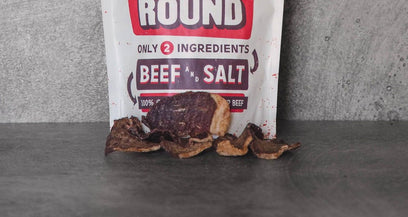
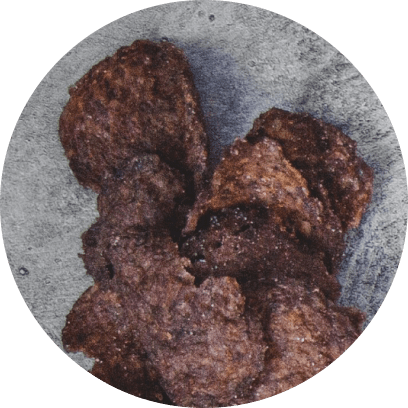
Eat fatty meat until satisfied (not stuffed). Move your body daily. Lift weights. Sleep 7+ hours. Manage stress. Don't snack mindlessly. It’s really that simple. Set yourself up for success with our carnivore chips today!
Sources
- Hall KD, Guo J. "Obesity Energetics: Body Weight Regulation and the Effects of Diet Composition." Gastroenterology, 2017;152(7):1718-1727. PMC
- Lopez P, et al. "Resistance training effectiveness on body composition and body weight outcomes in individuals with overweight and obesity across the lifespan: A systematic review and meta-analysis." Obesity Reviews, 2022;23(5):e13428. PMC
- Sutton EF, et al. "Early Time-Restricted Feeding Improves Insulin Sensitivity, Blood Pressure, and Oxidative Stress Even Without Weight Loss in Men with Prediabetes." Cell Metabolism, 2018;27(6):1212-1221. PubMed
- Lengton R, et al. "Glucocorticoids and HPA axis regulation in the stress-obesity connection." Clinical Obesity, 2025;15(2):e12725. PMC
- Lucassen EA, Cizza G. "The Hypothalamic-Pituitary-Adrenal Axis, Obesity, and Chronic Stress Exposure: Sleep and the HPA Axis in Obesity." Current Obesity Reports, 2012;1(4):208-215. PMC
- Wharton S, et al. "Medications that cause weight gain and alternatives in Canada: a narrative review." Diabetes, Metabolic Syndrome and Obesity, 2018;11:427-438. PMC